
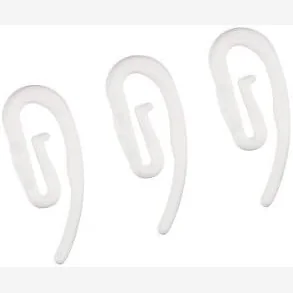
Swish Superluxe / Duo / Supreme Gliders (50)
Fifty loose roller gliders listed for Superluxe, Duo and Supreme corded aluminium tracks.
Check priceThe small plastic runners that make the whole system work. Replace them cheaply and your Swish track will feel brand-new again.
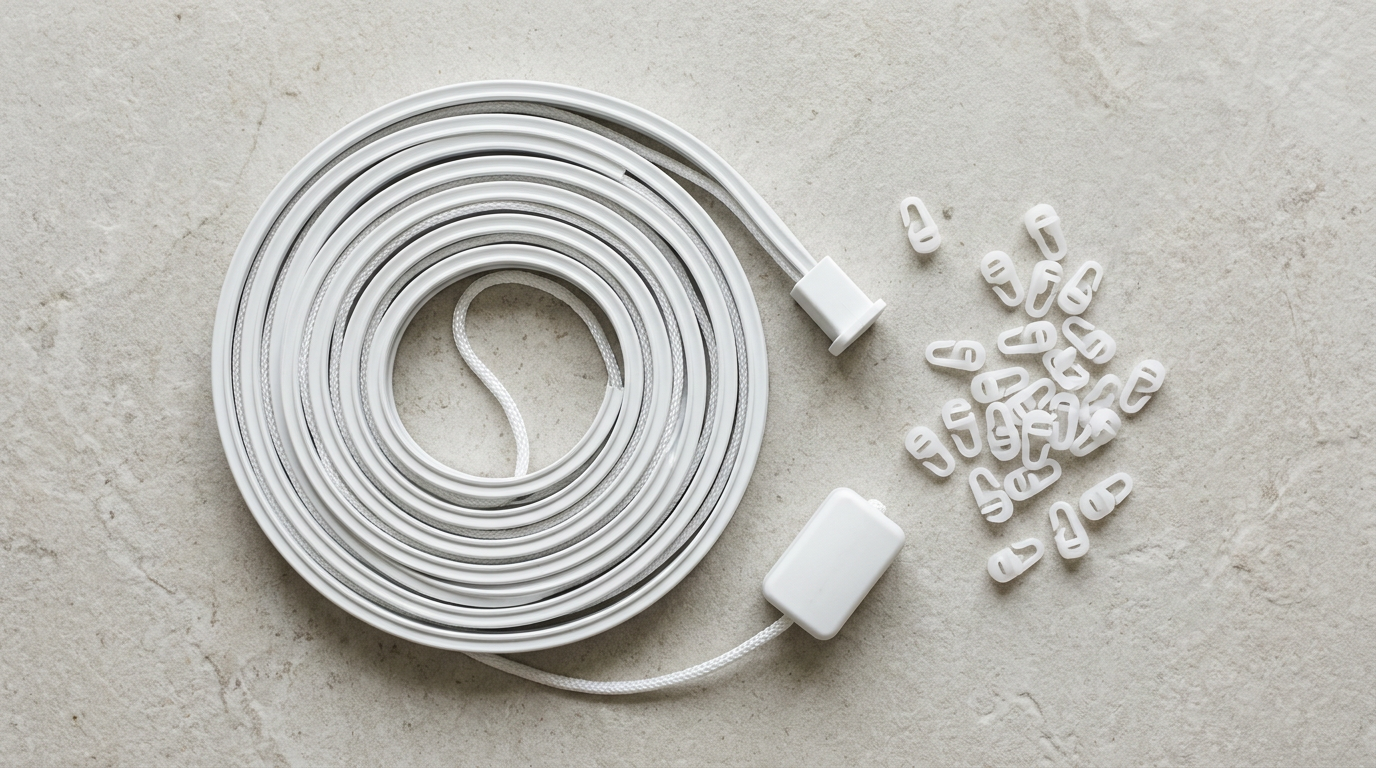
Genuine roller packs plus corded tracks supplied with matched runners.
Fifty loose roller gliders listed for Superluxe, Duo and Supreme corded aluminium tracks.
Check price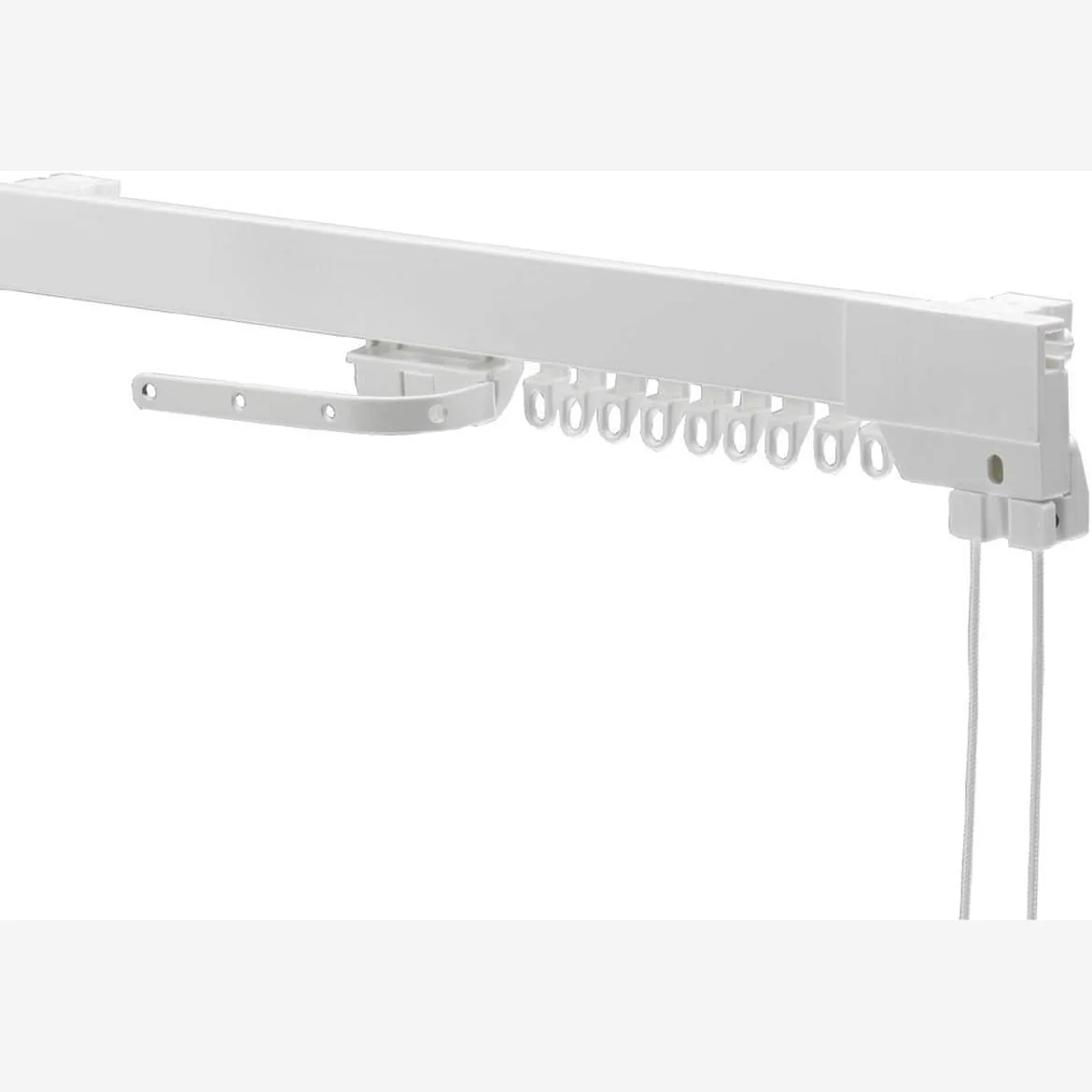
Corded aluminium track shipped with smooth roller gliders matched to the metal channel.
Check price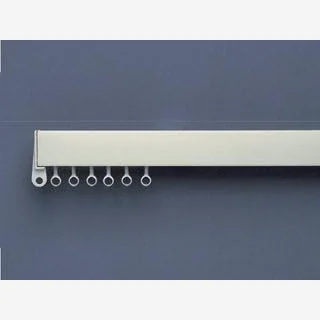
Deluxe kit including moulded-channel runners sized for everyday curtain weights.
Check price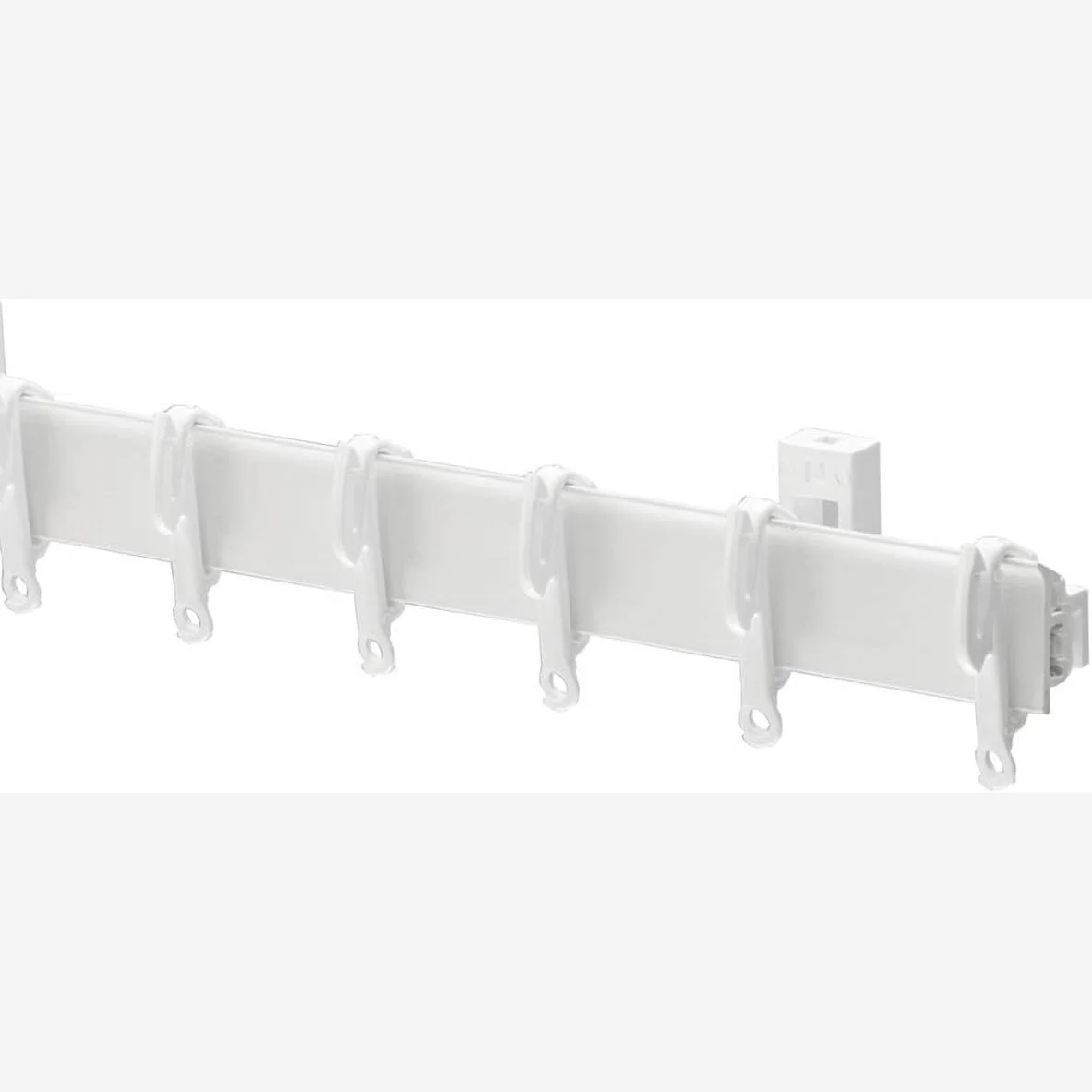
PVC Sologlyde coil whose runner packs remain easy to source when gliders wear smooth.
Check priceGliders are the unsung heroes of a curtain track. A good glider does its job silently for decades; a bad one scrapes, squeaks and sticks every time you open the curtains. Swish gliders are among the most reliable on the market, but they are a consumable part, and knowing when and how to replace them keeps your track feeling new.
A glider is a small plastic runner that sits inside the track’s channel and carries an eye or hole at the bottom to which the curtain hook is attached. When you draw the curtains, the heading tape pulls the hooks, which pull the gliders, which slide in the channel. The whole system is designed to spread the pull of the curtain evenly across a long line of gliders, which is why there are typically one glider every 8–10 cm along a heading tape.
Gliders are due for replacement when any of the following happen:
A new set is inexpensive enough that it is worth changing all the gliders on a track at the same time; mixing brand-new with decade-old gliders is never quite as smooth as a fresh uniform set.
Not all gliders fit all tracks. Swish has produced a small number of profiles over the years, and the right glider is the one whose upper runner matches the shape of the track’s internal channel. Pictures on our fitting pages help you identify your track profile, but the most reliable approach is to remove a single existing glider (slide it out through the end stop) and compare it to product photographs.
Key factors to look at:
As a starting point:
Always buy a few spares. Losing a glider down the back of a radiator is one of life’s small frustrations, but a drawer of spares turns it into a non-event.
Replacement is simple:
The whole job takes about fifteen minutes for a normal window.
The single most important maintenance habit is keeping dust out of the track. A once-a-year wipe of the inside of the channel with a dry microfibre cloth will extend glider life dramatically. If the gliders have become a little sticky despite being in good condition, a light spray of silicone lubricant inside the track works wonders. Silicone is the right choice because it does not leave a residue; never use oil or WD-40, both of which attract grit and gum up the movement in the long term.
For the heaviest curtains on the longest aluminium tracks, Swish offers ball-bearing gliders that use miniature stainless steel balls to roll inside the channel rather than slide. The draw is noticeably lighter, which is a real help with heavy interlined drapes. They cost a little more per pack, but for a reception-room bay that sees daily use the upgrade is usually worth it.
Tracks for Heavy Curtains
Aluminium systems for interlined drapes.
Tracks for Bay Windows
Flexible and corner-joint solutions.
How to Fit a Swish Track
Step-by-step DIY installation guide.
Leverlock Brackets
The wall and ceiling fixing that defined Swish.
Gliders
Replace worn runners for smooth draw.
Curtain Hooks
Plastic pin hooks for every heading style.