
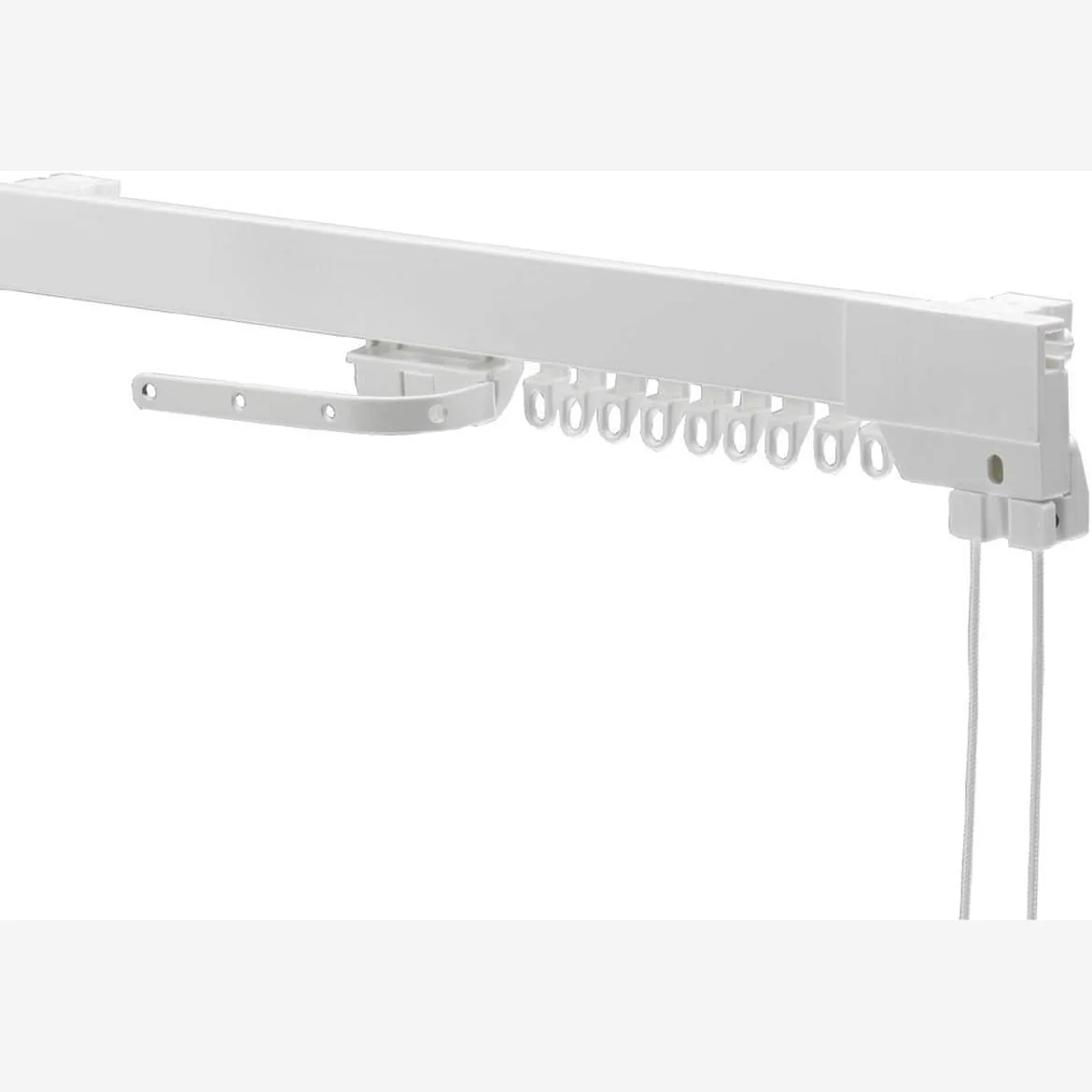
Swish Supreme Corded Aluminium Track (350 cm)
Corded aluminium kit at 350 cm for long, heavy drops without mid-span sag.
Check priceStrong aluminium tracks engineered for interlined velvet, blackout-lined and full-length drapes that a PVC system would simply struggle with.
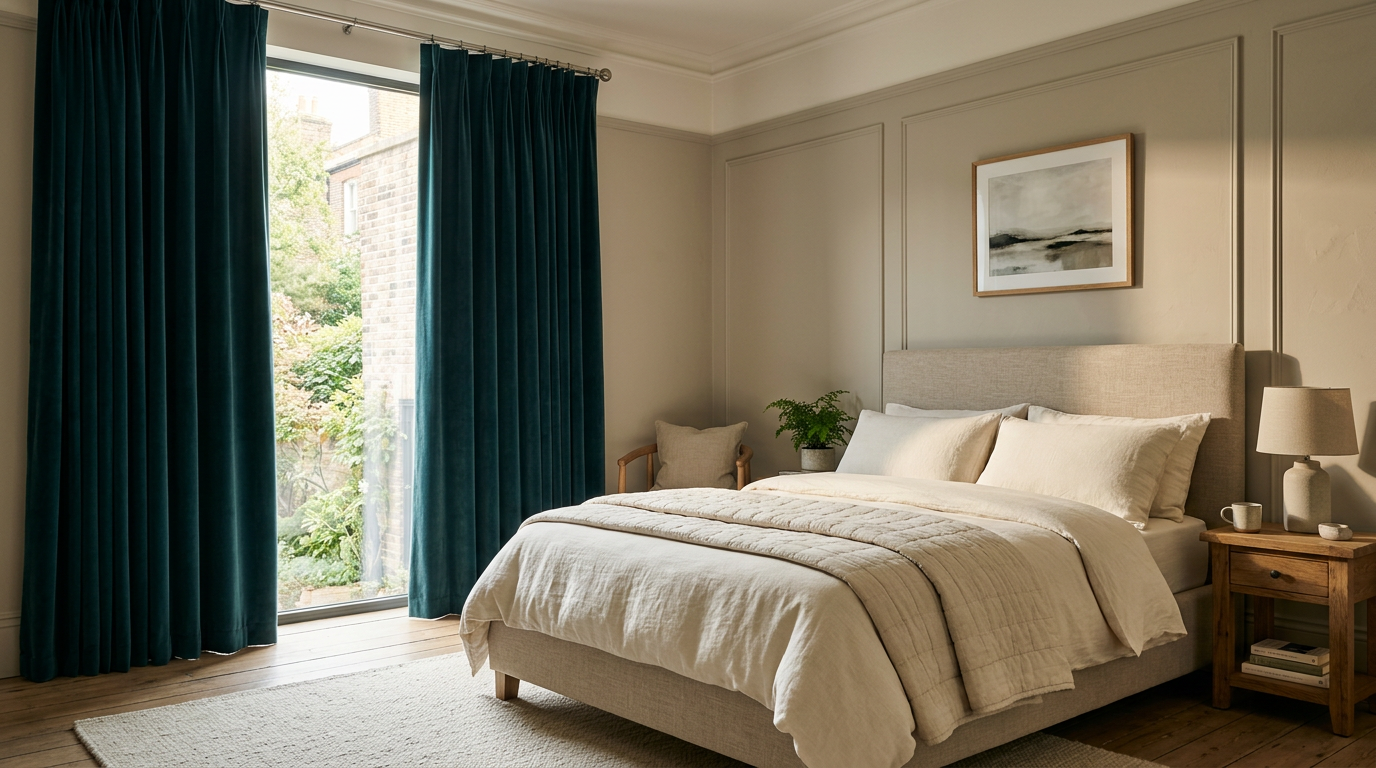
Corded aluminium and proven kits suited to interlined and blackout drapes.
Corded aluminium kit at 350 cm for long, heavy drops without mid-span sag.
Check price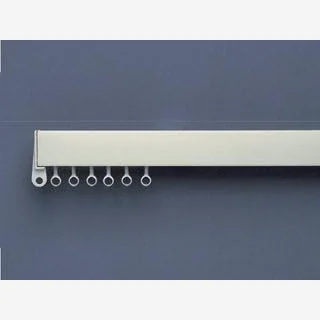
Complete 250 cm Deluxe kit for medium-weight curtains in reception rooms.
Check price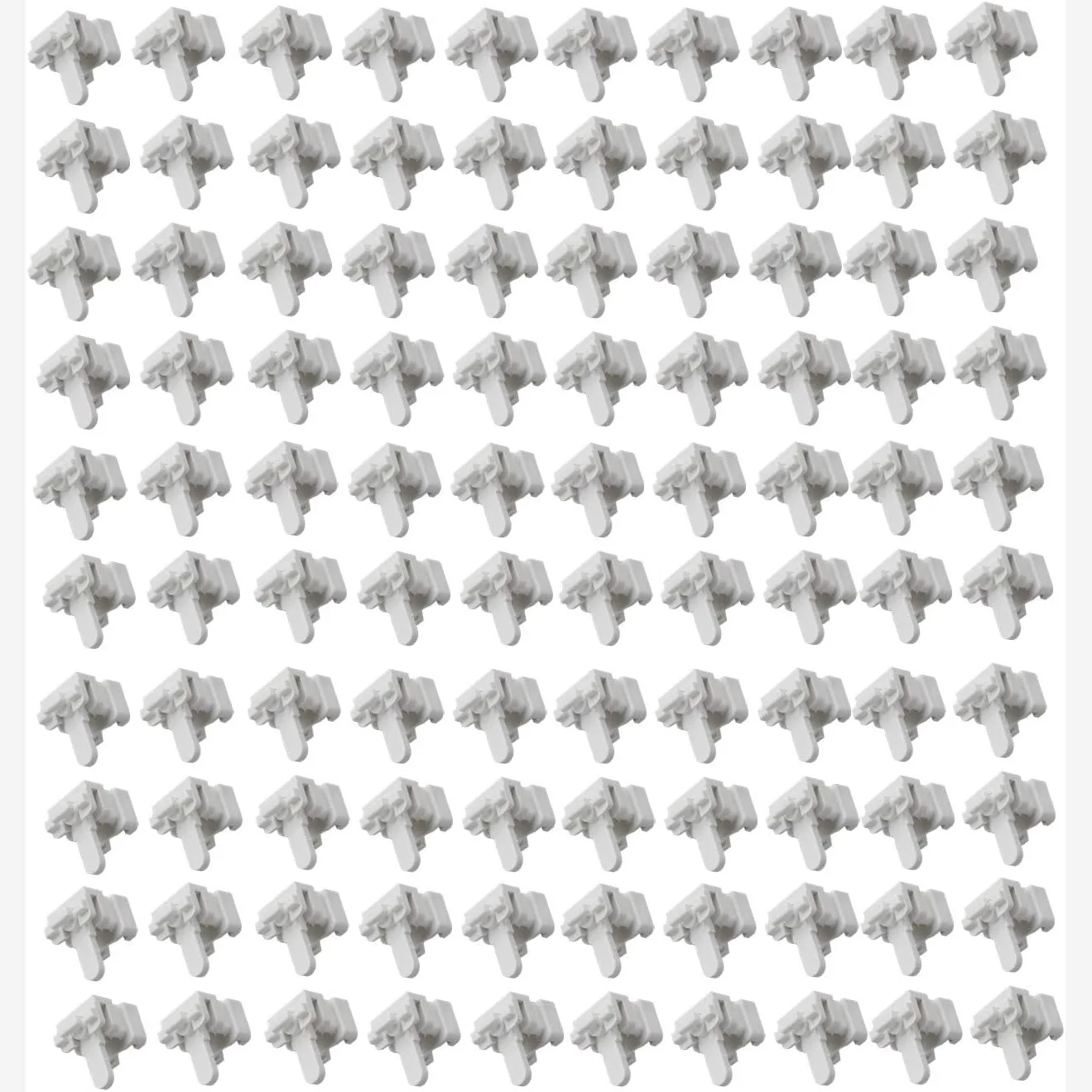
Hundred-pack of genuine Leverlock brackets for Deluxe, Superluxe and Supreme tracks on wide spans.
Check price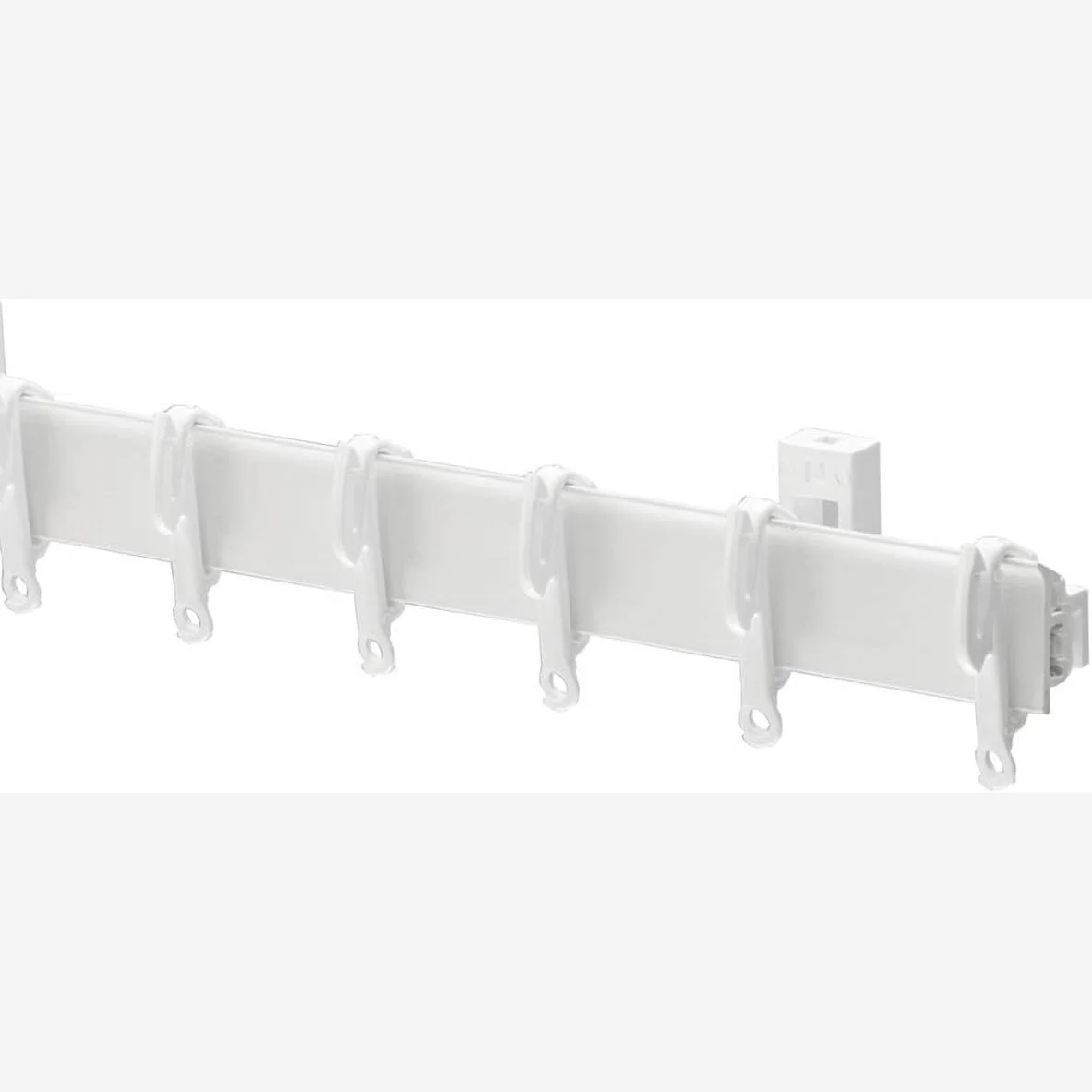
Flexible 200 cm PVC Sologlyde when you need a lighter run feeding into a heavier dress scheme.
Check priceIf you are dressing a main reception room with thick interlined curtains, a blackout-lined bedroom window, or a tall Victorian sash with generous drops, the track above those curtains has to do a great deal more than simply hold them up. It has to resist the drag of heavy fabric, draw without snatching in the middle of the run, and carry that weight through thousands of open-and-close cycles without deflecting. This is where the aluminium side of the Swish range really comes into its own.
PVC has plenty of virtues, but it is a relatively soft polymer. Asked to support a pair of heavy wool, velvet or blackout-lined curtains, a long PVC span will start to bow between brackets, and the gliders will slow at the sagging centre. Aluminium does not flex in the same way. Extruded from a dense alloy, the profile keeps a straight line for metres on end and continues to run crisply even under considerable load.
There are three other practical benefits. Aluminium tracks have stronger, metal end stops that resist being blown off when a fully closed curtain is tugged; they accept a wider choice of overlap arms, so the leading edges of a pair of curtains can cross cleanly in the middle; and they are noticeably slimmer on the wall, which makes a nice difference above period windows where a bulky track would intrude on the architecture.
As a rough rule of thumb, a PVC track starts to feel its limit at around six metres of total curtain weight, while aluminium will comfortably carry ten kilograms or more per metre. If you are unsure, weigh a single curtain on the bathroom scales, multiply by two, and divide by the finished track length. Anything approaching or exceeding six to eight kilograms per metre is a clear signal to choose aluminium.
On a heavy-curtain track, a cord system is almost always worth the small extra cost. Handling a set of interlined velvet drapes by their edge risks soiling the fabric, and asking a fully closed curtain to restart from a standstill puts unnecessary stress on the heading tape. A cord translates your pull into a smooth movement of the master glider, with the weight distributed evenly across all the runners.
Ceiling fixing is a favourite with heavy curtains because it allows a true floor-to-ceiling drop. The fabric then presses back against the wall above the window and acts as an extra layer of insulation, reducing the cold draught that leaks around curtain tops in older houses. Wall fixing still works, but for best results keep the track around 15 cm above the window frame so the curtain fully covers the transom.
Heavier curtains demand closer bracket spacing than lighter ones. As a working guide:
Brackets fix directly into timber wherever possible. Where the track is being wall-fixed onto masonry, use resin or proper expansion plugs rated for the wall type and avoid the cheap brown plugs that flex under repeated loading. If the wall above the window is a hollow stud wall, locate the studs or fit a hardwood batten behind the plasterboard and fix the brackets through that.
A brand-new set of heavy curtains often looks a little wooden for the first few days. This is simply because the pleats have not yet settled. To help them along, draw the curtains fully open, arrange each pleat by hand, gently stroke the folds from top to bottom, then tie the curtains loosely with soft ribbon in three or four places and leave them overnight. The following day you will have natural, even folds that behave beautifully on the track.
Heavy-curtain tracks reward a little attention. Once a year, slide the curtains back, take down the master glider and wipe the inside of the aluminium channel with a dry microfibre cloth to lift any dust. If the run has developed a stutter, a light spray of silicone lubricant (never oil, which attracts grit) restores a perfect glide. Inspect the cord for fraying and replace at the first sign of wear; this is a ten-minute job with the right spare and will prolong the life of the whole system.
If your heavy curtains are hanging on a tired PVC track, do not assume that the only answer is to rip everything out. A switch to an aluminium profile using the same Swish Leverlock brackets is frequently possible, and if you have added weight since the track was first installed, simply fitting extra brackets will buy you more years of reliable service.
Tracks for Heavy Curtains
Aluminium systems for interlined drapes.
Tracks for Bay Windows
Flexible and corner-joint solutions.
How to Fit a Swish Track
Step-by-step DIY installation guide.
Leverlock Brackets
The wall and ceiling fixing that defined Swish.
Gliders
Replace worn runners for smooth draw.
Curtain Hooks
Plastic pin hooks for every heading style.